One of the great features of the NOFA winter conference, is the book fair sponsored by Main Street BookEnds of Warner. I had no trouble filling up free time between sessions, browsing the tables of the various vendors, including the huge display of "green" books. At the end of the day my mind was filled with ideas of what to to plant once the snow has melted, which should be soon according to the caretakers of Punxsutawney Phil.
Monday, February 8, 2016
2016 NOFA Winter Conference
The Northeast Organic Farming Association of New Hampshire (NOFA-NH) put on another great winter conference January 30th in Concord. It is such a great time of year to attend workshops related to the production of food from harvesting wild greens and mushrooms to GMO labeling legislation. Whether you are a backyard gardener or a commercial farmer, you are surrounded by a support network of like-minded folks, looking for ways to live and work sustainably.
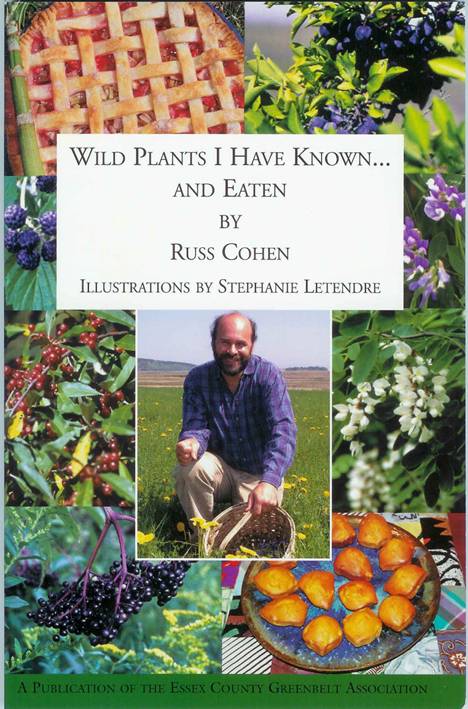
After Russ Cohen (above), environmental steward, educator and author of Wild Plants I Have Known...and Eaten, gave a talk on edible native plants, he treated the class to locally harvested nuts and homemade baked goods. The list of wild edibles is extensive and it's exciting to know that there is a smorgasbord of greens, fruits and nuts available for feasting around most people's homes.
To continue the theme of wild foraging, I followed Russ Cohen's presentation with a session titled "Chasing Wild Mushrooms: Foraging and Preparing Edible and Medicinal Mushrooms" by Greg Marley. Although I will always be hesitant to pick and eat wild mushrooms, Greg's talk and his book that I purchased Chanterelle Dreams, Amanita Nightmares: The Love, Lore and Mystic of Mushrooms have opened up my mind to appreciate the complex and amazing characteristics of fungi in the environment.
One of the great features of the NOFA winter conference, is the book fair sponsored by Main Street BookEnds of Warner. I had no trouble filling up free time between sessions, browsing the tables of the various vendors, including the huge display of "green" books. At the end of the day my mind was filled with ideas of what to to plant once the snow has melted, which should be soon according to the caretakers of Punxsutawney Phil.
Monday, February 1, 2016
New Hampshire Fish and Game Holds Public Hearing on Proposed Bobcat Season
If you live in New Hampshire and are a member of the hunting community or just appreciate wildlife, you are probably aware of the proposal to open up a hunting and trapping season for bobcats in this state for the first time since 1989, when bobcat hunting ceased due to population concerns. According to the NH Fish and Game (NHFG) website, the current bobcat population in 2014 was estimated at 1400 breeding adults. In 2009, NHFG partnered with the University of New Hampshire (UNH) to conduct a five year study on the bobcat populations in New Hampshire. A status report was provided to the NHFG Commission in January, 2015 and shortly after that a proposal was initiated to allow a hunting and trapping season to begin in 2016. Dave and I attended the first of two public hearings on this proposal which was held at the State House in Concord. A second hearing will be held Tuesday, February 2nd in Lancaster.
![]() |
| New Hampshire Fish and Game Commissioners await the beginning of the hearing on a proposed bobcat hunting season |
When we arrived, the opponents of the proposal were prevalent, passing out stickers and lanyards opposing the hunt. By the start of the hearing, the House of Representatives Hall was full with dozens of people signed up to speak. At first it seemed like there were no supporters of the proposal, but eventually, hunters and trappers in favor presented their views. Although, in the minority, some points mentioned in favor of a hunting season were that it helps manage the population by providing valuable information to NHFG on the health of a species; the population has rebounded and can support a hunt; there are already enough predator species in the state; and it's the NHFG Commission's duty to support the hunting community.I do not come from a family of hunters. My love and appreciation of wildlife was gained from the time spent outdoors as a child and seeing wildlife up close in the woods, a field or next to a pond. I believe that if wildlife are allowed the space that their species requires, most populations would thrive on their own, without human intervention. But that is not the case, as human populations have spread, so too have roads and the destruction of natural habitats to make room for houses, businesses and factories. In turn, animals have been hunted, not just for food, but for nuisance control, profit and plain sport. History has shown that without control, humans will hunt animals to extinction (don't forget the passenger pigeon or the great auk.) Not only have we lost entire species, but we are only beginning to learn the intricate connections that all wildlife have on the health of ecosystems as a whole and how disrupting one, can have cascading impacts on numerous species.
As far as the bobcat is concerned, the arguments given against the NHFG proposal, from elementary school children, to wildlife biologists with PhD's, many hunters themselves, were far more convincing than those in favor: The bobcat is still recovering in New Hampshire; they are not a nuisance to the general population; as a predator species, they will self-regulate their own population; and, managing the season will cost an already financially strapped state agency over $10,000 annually. I hope that the Commission responds appropriately after considering all facts and opinions. If you would like to read further information on the hunting proposal, including how to submit comments go to http://www.wildlife.state.nh.us/wildlife/bobcat-season-proposal.html.
| The elusive bobcat spotted recently in our back yard. |
Tuesday, January 26, 2016
Red Bean Goulash - Slow Cooker
I don't typically think of adding pasta to beans, but this goulash was perfect over egg noodles.
Ingredients:
1 Tablespoon oil and 1 Tablespoon margarine
1 cup onion diced
3 cloves garlic
1 cup carrots diced
2 stalks celery diced
1 pound small red beans soaked overnight
1 bay leaf
1 teaspoon oregano
1 can crushed tomatoes
Salt and pepper
1 Tablespoon minced parsley
1 Tablespoon red wine vinegar
2 Tablespoons butter, 1 Tablespoon Flour, 1/2 cup onion, 1 Tablespoon paprika
Bring beans to a boil and simmer while you are sauteing vegetables. Melt margarine with oil. Add 1 cup onion and two cloves garlic. Saute about 5 minutes. Then add carrots and celery and saute for another 5 minutes. Drain beans and add to slow cooker with vegetables. Add crushed tomatoes, bay leaf, oregano, salt and pepper. Cook on high for 6 hours. Add 1 more clove garlic crushed and adjust seasoning. Continue cooking on high for three hours. Saute butter in frying pan, add onions, cook for 3 minutes, then add flour an stir until thickened. Stir in paprika then add 1/2 cup of sauce from beans. Mix back into crock pot with 1 Tablespoon wine vinegar and parsley. Serve over cooked noodles. I adjusted this recipe for a crock pot for convenience, but it's necessary to cook on high. It could be cooked on the stove in less time.
Ingredients:
1 Tablespoon oil and 1 Tablespoon margarine
1 cup onion diced
3 cloves garlic
1 cup carrots diced
2 stalks celery diced
1 pound small red beans soaked overnight
1 bay leaf
1 teaspoon oregano
1 can crushed tomatoes
Salt and pepper
1 Tablespoon minced parsley
1 Tablespoon red wine vinegar
2 Tablespoons butter, 1 Tablespoon Flour, 1/2 cup onion, 1 Tablespoon paprika
Bring beans to a boil and simmer while you are sauteing vegetables. Melt margarine with oil. Add 1 cup onion and two cloves garlic. Saute about 5 minutes. Then add carrots and celery and saute for another 5 minutes. Drain beans and add to slow cooker with vegetables. Add crushed tomatoes, bay leaf, oregano, salt and pepper. Cook on high for 6 hours. Add 1 more clove garlic crushed and adjust seasoning. Continue cooking on high for three hours. Saute butter in frying pan, add onions, cook for 3 minutes, then add flour an stir until thickened. Stir in paprika then add 1/2 cup of sauce from beans. Mix back into crock pot with 1 Tablespoon wine vinegar and parsley. Serve over cooked noodles. I adjusted this recipe for a crock pot for convenience, but it's necessary to cook on high. It could be cooked on the stove in less time.
Thursday, January 21, 2016
Banning Micro-Beads for Cleaner Water
| photo: Thegreenj on Wikimedia Commons |
Microbeads are comprised of tiny particles of plastic, e.g. polyethylene, polypropylene, polyethylene terephthalate, and polymethyl methacrylate. They are added to toiletry products such as facial scrubs, body washes, and toothpastes as an abrasive to help clean and exfoliate.
They do not biodegrade and can bind to other pollutants, creating an even greater hazard. Once released to surface waters, they are often mistaken by fish as food and are ingested. They can then work themselves up the food chain, by being consumed by larger predators, including humans. Some studies are showing health impacts to wildlife that consume micro- plastics (Nature.com, published November 21, 2013)
Created in the 1970s, they are now found in hundreds of products, including those used for personal care. The problem of microbeads and water pollution was not raised until the publication of a 2009 study by Fendall and Sewell demonstrating that these small particles directly enter the marine environment from households. Following that, a Dutch organization of environmental experts, the North Sea Foundation, started requesting companies to stop adding microbeads to their products in 20011; and along with the Plastic Soup Foundation, launched the Beat the Microbead international campaign.
Although many companies have already voluntarily pledged to stop using microbeads, the U.S. ban establishes deadlines that will accelerate the process. Hopefully other countries will follow suit. This ban is one positive step to controlling the pervasive plastic pollution in the worlds oceans. In the meantime, to know whether or not a product contains microbeads, there is a Beat the Microbead App which can be downloaded at http://beatthemicrobead.org/en/.
Saturday, January 16, 2016
Butternut Squash and Vegetable Stew
Ingredients:
1 Butternut Squash cubed
4 large carrots diced1/2 sweet onion chopped
2 cloves garlic chopped
1 can cannellini beans
1 large can diced tomatoes
2 cups broth
1 teaspoon cumin
1/2 teaspoon crushed red pepper
salt
1 tablespoon brown sugar
1/2 cup chopped spinach
1/2 cup chopped kale
This recipe can be made in either a slow cooker or on the stove. Add all ingredients except greens to slow cooker or large soup pot. 1 hour before done, add kale and/or spinach. Serve alone or over couscous.
Monday, January 11, 2016
U.S. Department of Agriculture and U.S. Department of Health and Human Services Release New Dietary Guidelines
| Fresh vegetables... |
| and berries contribute to healthy eating patterns. |
The Dietary Guidelines Advisory Committee's report also drew connections between diet and sustainability of natural resources. By making healthier food choices one can also have a positive impact on the environment since eating less red meat and buying fresh foods locally have a lower net impact on the planet. Unfortunately, any references to diet and the environment do not appear in the Dietary Guidelines as the USDA and USDHHS responded in a Statement last October that the Guidelines are not the appropriate vehicle to address sustainability. What a missed opportunity.
I know that my daily choices, be it diet, work, or recreation, have direct impacts to the health and future of the planet, and until this concept is as transparent as breathing is to living, the more times the connections of our day to day activities and sustainability are made the better.
Tuesday, January 5, 2016
Going Natural with Personal Care Products
Whether as a stocking stuffer or through a gift exchange, you may have received some soaps, lotions, or other personal care products over the holidays. Hopefully, if you did, they were free of toxic chemicals. Considering that skin is a person's largest organ (approximately 22 square feet (1) ) that regulate body temperature and provide protection against harmful elements, what it is exposed to directly impacts your health. Although one of skin's functions is to protect our body from exposure to hazards, it will absorb into the bloodstream a significant portion of what it touches. Many people have obvious allergic reactions when their skin is exposed to certain ingredients that are added to soaps and lotions. However, even people who don't have any apparent allergies, exposure to the cocktail of chemicals in many soaps and lotions can results in long-term health consequences. Many added ingredients have been shown to be carcinogenic or result in birth defects and learning disabilities. The vast majority of these chemical additives have never been completely evaluated to determine their safety.
Fortunately, it is becoming easier to find "natural" products, whether it be at a local store, farmers market, or on-line. Just be aware that it's important to read the ingredients list since the words "all-natural" or "healthy" have no defined meaning. I have been misled myself, by picking up a shampoo labeled as "natural", only to find that it may have contained some plant extracts, it also contained propylene glycol (a known carcinogen) and sodium lauryl sulfate (a corrosive cleaning agent).

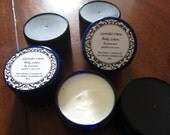
You can find safe and healthy products from well-known manufacturers such as Burts Bees, a Maine company that started in 1984 making bees-wax candles. As with organic foods, you may be a bit more for toxic-free products, but you don't have to spend a fortune. For example, when it comes to bars of soap, sometimes basic is best. For example, Dr. Bronner's has been making soaps since 1858 in Germany and since 1948 in America. They sell certified organic, fair trade products that can be bought on-line or are sold in chain stores such as Target and Walmart. Finally, more and more people are venturing into the realm of home-made soaps and lotions, so check around with family and friends. Many people don't advertise, but their personal hobby often results in extra product to sell. For example, in our family, my niece, who is currently studying to become a Physician's Assistant, has made quilts and other crafts for years, but she recently expanded her craft to personal care products. She sells these occasionally at farmer's markets and on-line at gpsplace.etsy.com.
With so many options out there, why not make 2016 the year to go natural, in the truest sense of the word, not just with what you eat, but with what you put on your skin as well?
(1) http://science.nationalgeographic.com/science/health-and-human-body/human-body/skin-article/
Fortunately, it is becoming easier to find "natural" products, whether it be at a local store, farmers market, or on-line. Just be aware that it's important to read the ingredients list since the words "all-natural" or "healthy" have no defined meaning. I have been misled myself, by picking up a shampoo labeled as "natural", only to find that it may have contained some plant extracts, it also contained propylene glycol (a known carcinogen) and sodium lauryl sulfate (a corrosive cleaning agent).

![]() |
| Lavender Citrus Body Lotion from GPs Place |
With so many options out there, why not make 2016 the year to go natural, in the truest sense of the word, not just with what you eat, but with what you put on your skin as well?
(1) http://science.nationalgeographic.com/science/health-and-human-body/human-body/skin-article/
Subscribe to:
Comments (Atom)

